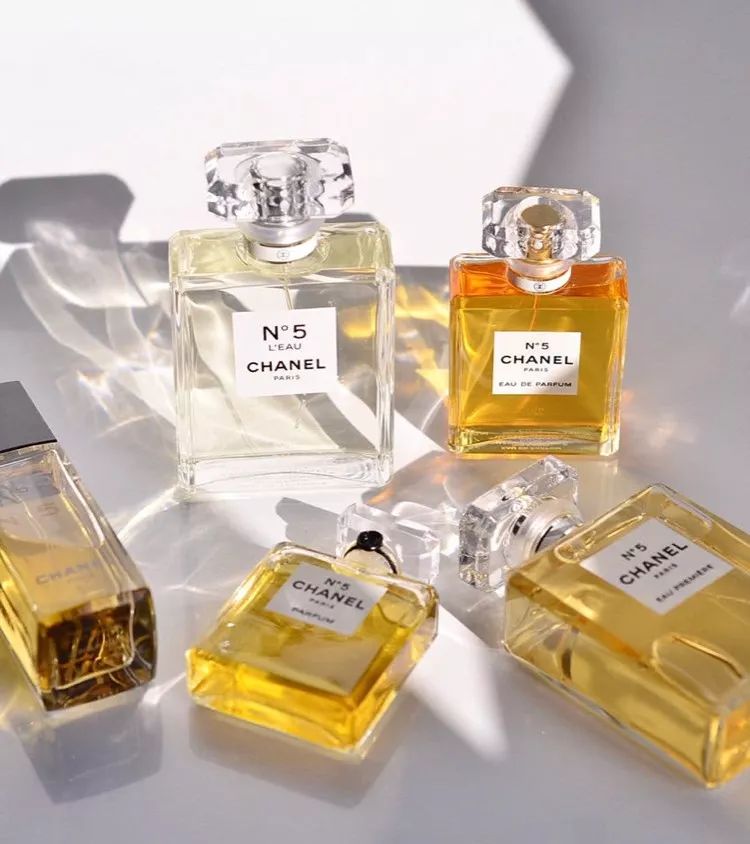
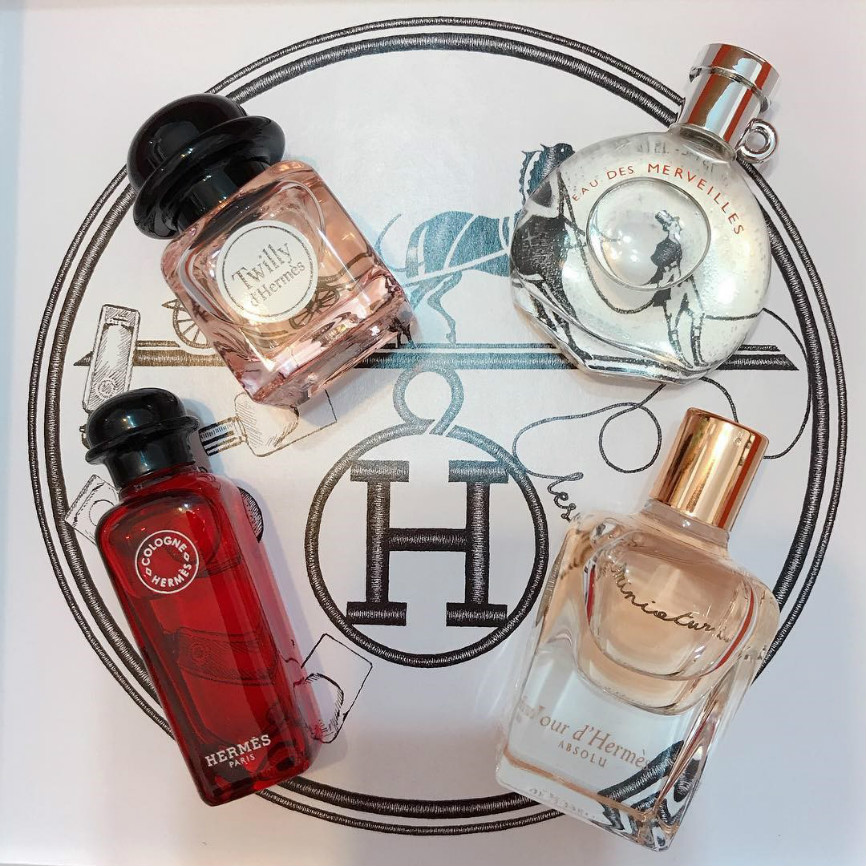
The fragrance market in China is poised forgrowth to meet demand of the nation's increasingly sophisticated beautyconsumers, and online sales are expected to become more important, industryinsiders said. In the next five years, the fragrancemarket in China is expected to grow at a compound annual growth rate of 17percent, hitting sales revenues of 15.4 billion yuan ($2.4 billion) in 2025,according to market research firm Mintel. Last year, fragrance sales in the nationgrew by 1 percent annually as a result of the COVID-19 pandemic-far lowerthan the 11 percent annual growth recorded in 2019, according to Mintel. International retailers such as LVMH,Chanel, Coty, L'Oreal, and Estee Lauder continue to dominate the Chinesemarket, together accounting for a 59.9 percent share of fragrances sold thisyear, said Mintel. LVMH has the largest market share among internationalcompanies. China has some 20 million consumers whohave the habit of using perfume regularly, according to a report by marketconsultancy iResearch. Despite difficulties posed by the pandemic,major retailers have maintained good momentum from new fragrance launches lastyear. They also have sought new business opportunities through e-commerce.L'Oreal and Estee Lauder have been notable for their strong growth online. Of 3,000 surveyed consumers nationwide, 36percent said Chanel was their favorite perfume brand and 21 percent pickedDior, Mintel said. No other brand was mentioned by more than 5 percent ofrespondents. "The fragrance category is projectedto quickly recover and even accelerate in the post-pandemic era. Chineseconsumers pay lots of attention to discretionary categories such as fragrances,which are positioned to offer more emotional benefits and help express theirindividuality," said Alice Li, beauty and personal care associate directorof Mintel. "The majority of users have startedwearing fragrances as part of their routine. Encouraging more frequent use maybe a challenge. Therefore, brands should focus on driving ownership of multiplefragrances and encouraging consumers to switch scents or layer different scentsin order to increase usage," Li said. Perfume and aromatherapy form a subcategoryof consumer goods with top sales on Tmall, an e-commerce platform of AlibabaGroup. This year, aromatherapy products such as candles or decorations for thehome, aromatherapy items for cars and salon fragrances made by smaller studiosor salons have seen growth rates of more than 100 percent year-on-year,according to Tmall. New product launches of unisex fragranceshave been growing quickly in China, fueled by gender neutrality as a beautytrend. Botanical and herbal fragrances have become the top sellers in thatcategory. Women's frequency of using fragrances hasremained somewhat flat, but more men have become occasional users. Buyingfragrances for personal use has declined with the pandemic, but givingfragrances as gifts has increased, Mintel said. While leading international companiesaccount for a bigger market share, they have been facing increasing competitionfrom niche fragrance brands that have entered the China market in the past fewyears as well as the emergence of local players. Chinese fragrance brands usually havedifferent competitive strategies as they target younger consumers. Some topdomestic fragrance brands include Scent Library, Uttori, Reclassified and YoungBeast. This year, State-owned CITIC Capitalinvested in Reclassified, a Shanghai-based brand that makes salon fragrances.To Summer, a niche Chinese aromatherapy brand, has received two rounds offinancing since 2019, with backers including IDG Capital, Sequoia China and ZhenFund. Scent Library, a brand founded in Beijingin 2009, is one of the earliest local brands to enter the fray. In September,it received its latest round of financing, with exclusive investment fromSpanish fashion and fragrance brand Puig. The company said it plans to use thefunding for the research and development of original fragrances. It also wantsto blend online and offline experiences for consumers and strengthen itsinternational supply chains. In 2009, the company opened its first storein the fashionable Sanlitun area of Beijing, drawing attention of many peoplewho worked in fashion, design and advertising. Scent Library now has nearly 80 storesnationwide, and about half are located in first-tier cities. It plans morebrick-and-mortar stores in other cities. Its fragrance products include bodylotions, hand creams, shower gels and fragrances for cars. The retailer says it usually introduces newproducts monthly in its biggest category-perfumes-in order toconstantly attract consumers to new scents and flavors. "We would like to do business based ondifferent kinds of scents, and focus not only on perfume. We hope to createmore scents that cater to the preferences of Chinese consumers, help scentsbecome part of their lifestyle, and thus leverage the olfactory economy,"said Huo Xuefei, senior manager of branding at Scent Library. "We launch perfumes in differentscents to tell stories, and we are quite happy that many consumers understandthe stories behind our products. For instance, a consumer said after he smelledone type of scents, he could sense the smell of camphor and think of hisgrandparents and old times," Huo said. Camphor has been traditionally usedfor its medicinal qualities. Scent Library has agreements with a fewmajor global essence-making companies, including Firmenich, InternationalFlavors and Fragrances Inc, Symrise Ltd and flavor and fragrance manufacturerMane. Scent Library said it often provides someabstract concepts to international suppliers in such categories as rain, snow,different colors and food. The company acknowledged that it is sometimessomewhat difficult to turn abstract concepts into specific products. Still, in 2017, the company launched aperfume named LBK water, which is short for Liang Bai Kai, meaning cooledboiled water, and the product became one of its bestsellers. In 2018, itsmonthly sales volume reached 400,000 bottles. The perfume contains the smell ofa water blend and freesia blossoms with aldehyde intensifiers. Scent Librarysaid the perfume conjures a water-moistening feeling and a pleasant scent. Li of Mintel said domestic perfume brandsboast significant growth potential, given that Chinese consumers considernatural elements, scent durability and the type of scent as priorities whenchoosing perfumes. High-end brand images have become a secondary consideration.Domestic perfume brands can utilize consumer preference for Chinese style andtraditional culture to tell their own brand stories. "In the past year, an increasingnumber of traditional Chinese-style scents, such as tea and osmanthus, havebecome more popular. Also, more consumers have shifted their habits to buyingperfume online, and domestic brands, especially startup companies, can leveragetheir strengths in social media marketing and attract more consumers online,given that sales are not limited to an offline shopping experience anymore,"Li said. "Still, the high-end domestic marketfor perfume is dominated by foreign brands, and most domestic brands arecompeting with each other in a lower price range targeting younger consumers.That group pays less attention to brand histories and pursues more emotionalresonance with the brands," she said. ForeignFragrance Companies Seek Chinese Consumers Demand for fragrances is flourishing inChina when customers as diverse as sophisticated young Chinese consumers andhigh-end business retailers are increasingly buying many different kinds ofproducts to brighten lives or attract customers. That demand has also caused more foreignfragrance makers to increase investment in China. ScentAir, the world's biggestscent-marketing firm in terms of business scale and global distributionnetworks, said it is confident that China has the largest long-term andshort-term growth opportunities in the Asia-Pacific region. In 2015, ScentAir, based in Charlotte,North Carolina, in the United States, entered the China market, and itsbusiness in China had more than doubled a year before COVID-19 hit. Most of thegrowth came from hotels, including Marriott Hotel Group. Other major customersin China include car dealers and retailers whose business model requires lots ofcustomer contact and service. "Smell is the only sense directlyconnected to the brain's limbic system and deals with long-term memory, emotionand behavior. This is why we see more brands in China are adopting scentmarketing as one of their key marketing strategies for customerengagement," said Chloe Hui, vice-president and general manager of the Asia-Pacificregion for ScentAir. The company said that in general, Chineseconsumers prefer a light floral scent with sophisticated layers of flourishingflowers balanced with hints of citrus and wood. Fragrances with distinctive Chineseelements are also favored. "Chinese people love their culture,traditions, food and things that are distinctively theirs. We can mix and matchto create virtually any taste. For example, we created a Chinese collectionwith fragrances of oolong tea, green bamboo and other elements," Hui said. The pandemic has also brought changes andcreated new opportunities. China's tourism sector now relies more on domesticthan international travel. Meanwhile, the number of luxury hotel rooms in Chinais expected to grow to 658,248 in 2023 from 422,561 in 2018, according toResearch and Markets, a large international market research company. ScentAir said it plans to seek morebusiness from shopping malls. China has 4,000 shopping centers, which is threetimes more than the figure in the US, and that number is expected to grow to10,000 by 2025, said a report by the Chinese Academy of Social Sciences. Also, because COVID-19 can affect people'sability to taste and smell, more research is being conducted on scents,according to a recent report by global fashion trend forecasting serviceprovider WGSN. Consumers are seeking fragrances andhousehold cleaning products that are seen to improve home air quality. Last year, the global household cleaningproducts market was valued at $218.9 billion. It is expected to hit $341.6billion by 2030. Organic products have the highest potential for growth, ashealth-conscious consumers refocus their attention on issues such as ethicalsourcing and the climate crisis, the WGSN report said. Retailers should make sure ingredients areas natural and organic as possible when designing fragrances, diffusers andcandles, explore materials that eliminate odors without the use of heavyfragrances and consider utilizing traditional materials such as beeswax andbamboo charcoal in new products, WGSN said. Tamburins, a South Korean fragrance brandof Gentle Monster and also a sunglasses and optical company, launched its firstbrick-and-mortar store in Shanghai in late September and its online flagshipstore on Tmall in October. The company said it plans to further expand itspresence in China, as it is bullish on the growth potential of the fragrancemarket in the country. At its flagship store in Shanghai, whichoccupies about 500 square meters, consumers get to experience a combination offragrance and art. Shoppers can buy scented hand creams, multifunctionfragrances, fragrances for homes and scented washing products, as well asscented candles. Tamburins said it has seen steadily growingsales in China. Generation Z consumers-those born in themid-to-late 1990s and the early 2000s-are among theprimary consumers of fragrances as more young people pursue sophisticated andstylish lifestyles. "Most of the online consumers ofTamburins are young females who live in first or second-tier cities. With thecompany's increasingly comprehensive rollout in China, we expect more types ofnew fragrance customers," Tamburins said. "With ongoing consumption upgrades inChina, fragrance serves as a niche market segment that has seen growth inrecent years. Tamburins is fully confident in its future growthpotential," the company said. "Tamburins has insisted on independentresearch and development, and hopes to satisfy the constantly changing demandthat has emerged from China's fragrance market." |