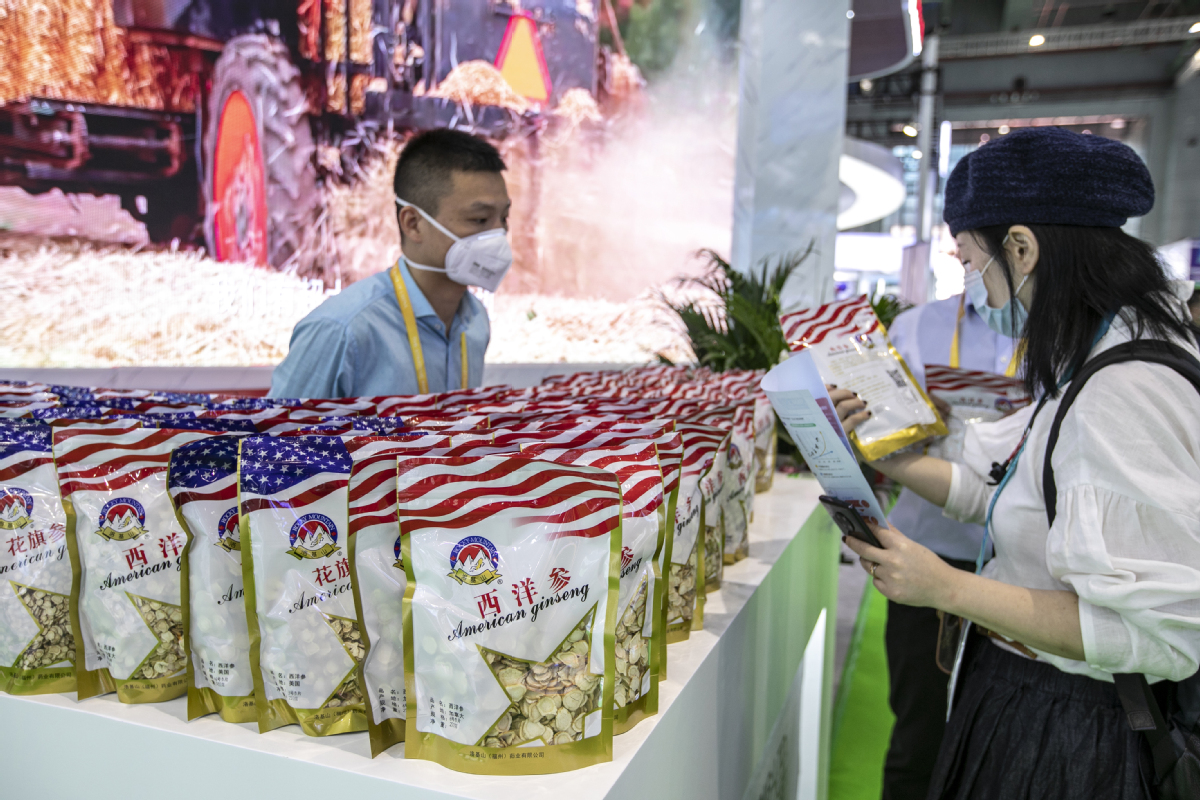
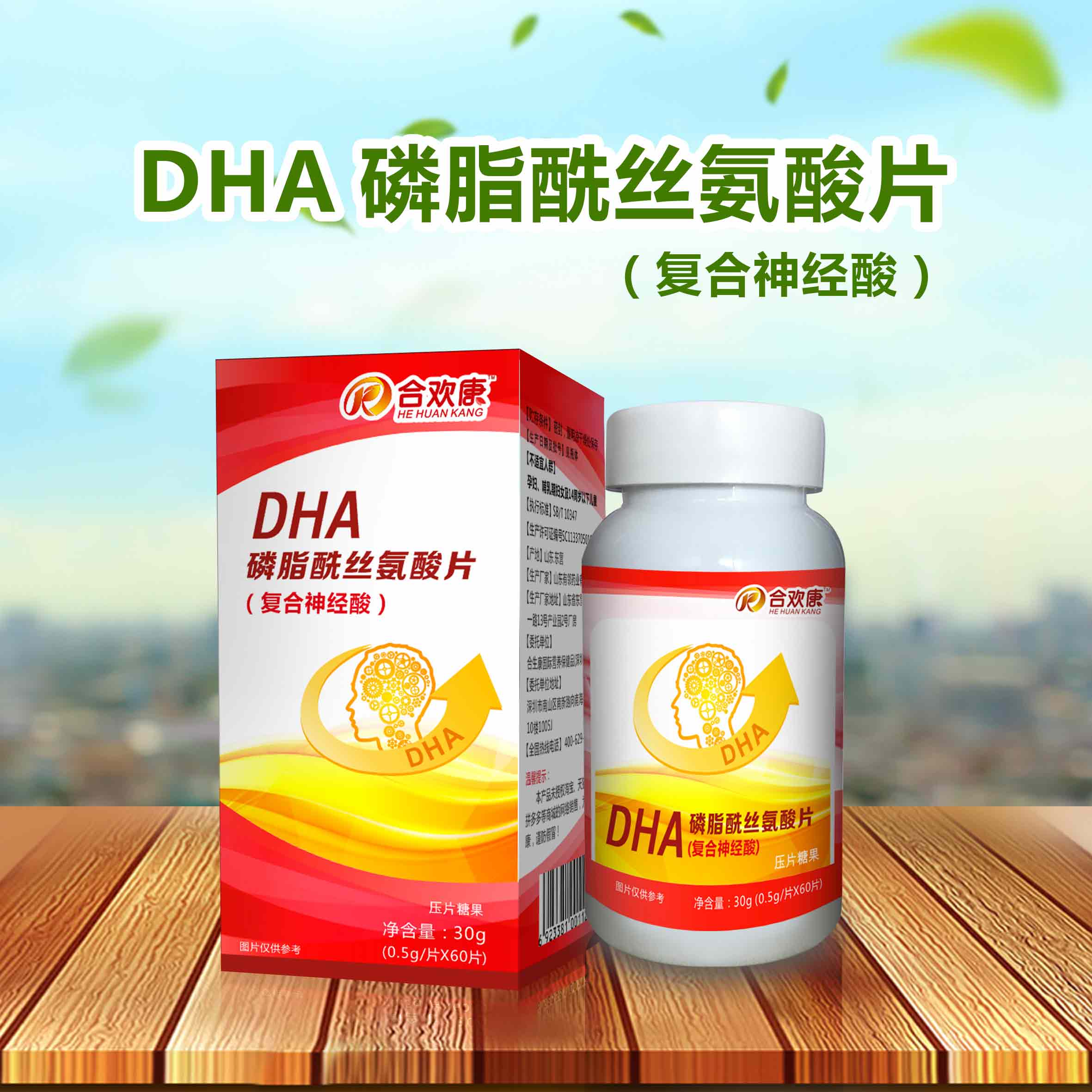
Liver-rejuvenating tablets, multivitamins,grape seeds, collagen, lutein and lycopene tablets are all familiar fare to LiYunxi, a product manager at a Beijing-based internet company, who took them allrecently after working late into the wee hours. After ingesting all the tablets, the27-year-old woman fought off drowsiness and carefully applied eye cream from LaMer, priced at 1,800 yuan ($278) for 15 milliliters, around her tired eyesbefore finally hitting the hay. "Taking healthcare and cosmetics productsseemed to be the easiest way for me to maintain my health and beauty. When Ihave to stay up late to work, they make me feel that it is an effectiveremedy," she said. Li is part of a growing group of youngChinese consumers-most of whom were born between 1991 and 1995 and are now staring the30-year-old milestone in the face-willing to spend a lot of money on healthcare products, includingsupplements and vitamins, anti-aging cosmetics and electronic healthcaregadgets. The new consumption frenzy is a trendfeaturing younger consumers who are opting for high-quality goods and are notafraid to pry open their wallets wide. While working hard at their jobs, theseyoung consumers consider such products as essentials and believe they preventillness and premature aging, thereby spawning a huge market in China. China will become the second-largest marketfor healthcare products with sales revenue expected to hit 330 billion yuanthis year. Consumers born after 1990 have become the main consumption driverover the past three years, according to market consultancy CBN Data. A report issued by the Sootoo Institutesaid 21.9 percent of people born after 1990 in China use healthcare productsover long periods. Half use such products occasionally. Those who never takehealthcare products only account for 3.9 percent of the demographic. "The anxiety of maintaining goodhealth among consumers born after 1990 is stronger than other age groupsbecause they are mostly only children in their families. As this group of youngpeople gradually take on life and work burdens, they feel a greater sense ofcrisis," said Cheng Yanbo, an independent internet and gaming analyst. Currently in China, people born in the1990s exceed 188 million in number, accounting for 14.1 percent of thecountry's population. Jason Yu, general manager of KantarWorldpanel China, said: "Another driving factor is that young people areincreasingly facing healthcare problems, even serious diseases like cancer,with more pressure from life and work. Such pressure forces them to care moreabout their health. Also, widening social media channels increase their anxietyand make them more aware of their health." Chronic conditions such as insomnia andobesity are becoming more common among younger Chinese used to staring athandsets late into the night. A report from the British Medical Journal saidthe prevalence of diabetes in China has reached 2 percent among people aged 18to 29, and stands at 6.3 percent among those aged 30 to 39. Yu added that after the COVID-19 pandemic,young consumers increasingly realize that improving health should be apriority. "It was the pandemic that made me pay more attention to health,especially my immune system, on a daily basis," said Qi Tian, 30, a softwareengineer in Hangzhou, Zhejiang province. "It is also COVID-19 that allowedtraditional Chinese medicine to take center stage," he said. Instead of taking pills or tablets, Qiadded that he prefers products that are convenient and tasty. For example, henow drinks a cup of vitamin C every day, which comes in different fruityflavors. He also drinks water with red dates, mulberry or other flavors duringwork breaks to boost energy levels. Among the most popular healthcare productsfor those born in the 1990s are donkey-hide gelatin, or ejiao, red dates andhoney. In terms of effects, these young consumers care most about enhancingimmunity. During last year's Singles Day shoppinggala, health exam services, human papilloma virus remedies and instantbird-nest soups were the most popular health-related products for consumersunder the age of 25 on e-commerce platform Tmall. On JD Health, the healthcare subsidiary ofChinese tech giant JD, vaccine services and oral-health services have increasedby 20 times and 12 times, respectively, last year compared with that of 2019. Buoyed by the growth momentum, a slew ofChinese companies are innovating their healthcare products and transformingthem into sought-after snacks for the sake of convenience to attract youngconsumers. Pharmaceutical companies like GuangzhouPangaoshou have launched individually packaged black sesame portions, believedby many industry insiders to be good for hair health. Dong'e Ejiao Co Ltd also launched a productbelieved to enhance immunity. It uses low-temperature vacuum continuous dryingtechnology to turn traditional ejiao blocks into individually packaged ejiao insmall bags. Behind the moves are also the country'sefforts to support the healthy growth of new consumption and business models inorder to boost consumption amid the COVID-19 pandemic. Tong Ren Tang Group Co Ltd, which wasfounded in 1669 and used to mainly target middle-aged and elderly consumers, isoffering coffees infused with herbs such as licorice, monk fruit and cinnamon. "We need to keep pace with thechanging times. Our herbal drinks have been highly recognized by youngconsumers," said He Junshuai, director of brand management for healthcareservices at TRT Group. "We also aim to meet the soaringdemand for healthcare services from young consumers and therefore weestablished the innovative coffee. By exploring the youth market, we hope toremedy the shortcomings of a traditional pharmacy," he said. Zhao Ziqiang, chief operating officer ofe-commerce business at TRT Group, added that such products all sold well withyoung people increasingly aware of the importance of a healthy dietary regimen. "As consumption levels increase, thestandard for consumer products will be higher," said Wu Shichun, foundingpartner of Plum Ventures. "New supply chains, new designs, new marketingstrategies, new channels and new target groups such as Generation Z will be thenext hot investment spot," Wu said. Wang Wei, head of the Development ResearchCenter of the State Council's Institute for Market Economy, said in aninterview that spurring new forms of consumption, such as healthcare and onlineeducation, will stimulate innovation. "China is shifting from high-speedgrowth to high-quality development, and consumption, as the 'stabilizer' and'ballast stone' of Chinese economy, is becoming increasingly important,"she said. "What's more important is that therapid growth of consumption and its contribution to China's economic growth aremainly driven by the consumption upgrade and innovation, with new consumptionmodels becoming an important driving force and growth points of the economicdevelopment." The global immunity boosting food productsmarket reached a value of nearly $830,302.0 million in 2019, having grown at acompound annual growth rate (CAGR) of 3.8% since 2015, and is expected to growat a CAGR of 6.2% to nearly to reach $1,056,384.7 million in 2023. The marketis expected to grow at a CAGR of 7.6% to nearly $ 1,222,018.0 million by 2025,and at a CAGR of 7.0% to $1,710,772.8 million by 2030. Growth in the historic period resulted fromrise in disposable income and strong economic growth in emerging markets.Factors that negatively affected growth in the historic period were talentcrunch and fluctuating prices of raw materials. Going forward, growing numberof health-conscious consumers, faster economic growth, growing demand forimmunity boosting foods and beverages during covid-19, rising penetration oforganized retail and rising population will positively impact the marketgrowth. Factors that could hinder the growth of the immunity boosting foodproducts market in the future include high cost of raw materials and lack ofawareness, intense competition and reductions in free trade. The immunity boosting food products marketis segmented by product type into herbs & spices; nuts & seeds; fruits& vegetables; dairy-based products; probiotics and prebiotics; foodsupplements and others. The nuts & seeds market was the largest segment ofthe immunity boosting food products market segmented by product type,accounting for 40.2% of the total in 2019. Going forward probiotics andprebiotics segment is expected to be the fastest growing segment in theimmunity boosting food products market, at a CAGR of 9.8%. The immunity boosting food products marketis also segmented by form into tablets, capsules, powder, liquid, fresh food,chilled/frozen, canned, dried food and other forms. The dried food market wasthe largest segment of the immunity boosting food products market segmented byform, accounting for 28.5% of the total in 2019. Going forward liquid segmentis expected to be the fastest growing segment in the immunity boosting foodproducts market, at a CAGR of 6.6%. The immunity boosting food products marketis also segmented by distribution channel into store-based and non-store-based.The store-based market was the largest segment of the immunity boosting foodproducts market segmented by distribution channel, accounting for 91.4% of thetotal in 2019. Going forward non-store-based segment is expected to be thefastest growing segment in the immunity boosting food products market, at aCAGR of 7.8%. The top opportunities in the immunityboosting food products market segmented by product type will arise in the nuts& seeds market segment, which will gain $76,539.7 million of global annualsales by 2023. The top opportunities in the immunity boosting food productsmarket segmented by form will arise in the dried food segment, which will gain$59,195.2 million of global annual sales by 2023. The top opportunities in theimmunity boosting food products market segmented by distribution channel willarise in the store-based segment, which will gain $200,974.5 million of globalannual sales by 2023. The immunity boosting food products market size will gainthe most in China at $39,747.3 million. Market-trend-based strategies for theimmunity boosting food products market include focusing on probiotic productsto leverage growing demand, focusing on instant immunity boosting products,focusing on wellness shots, consider investing in immunity boosting ice creams,focusing on launching immunity boosting beverages and focusing on naturalbotanicals infused drinks. Player-adopted strategies in the immunity boostingfood products industry include developing innovative immunity boostingproducts, strategic acquisition of emerging and innovative companies, expandingbusiness presence in developing markets, strategic partnerships and jointventures with established companies and distribution partnerships with existingplayers. To take advantage of the opportunities, thepublisher recommends that companies should focus on providing wellness shots,immunity boosting beverages and ice-creams, natural botanical infused drinks,adoption of robotics and automation, competitive pricing, premium pricing,expanding in emerging economies, adoption of online delivery services, leveragesocial media, and targeting mature age groups. |