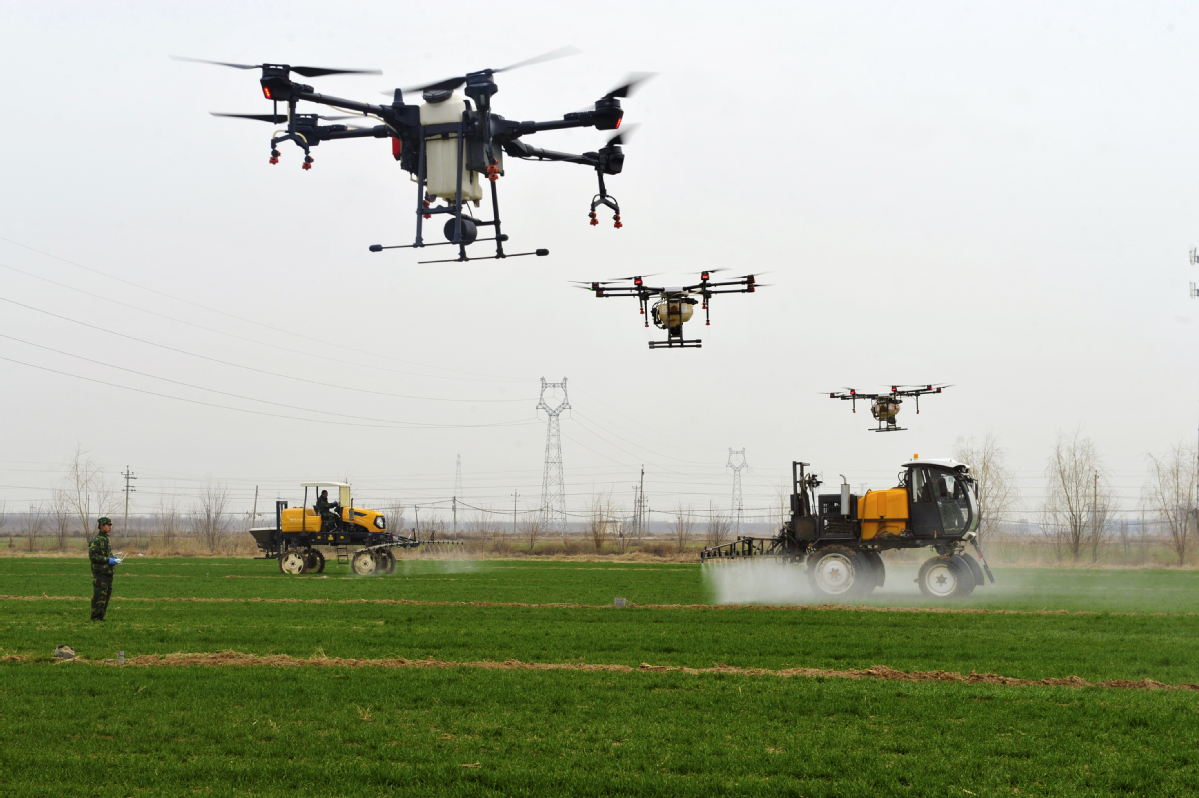
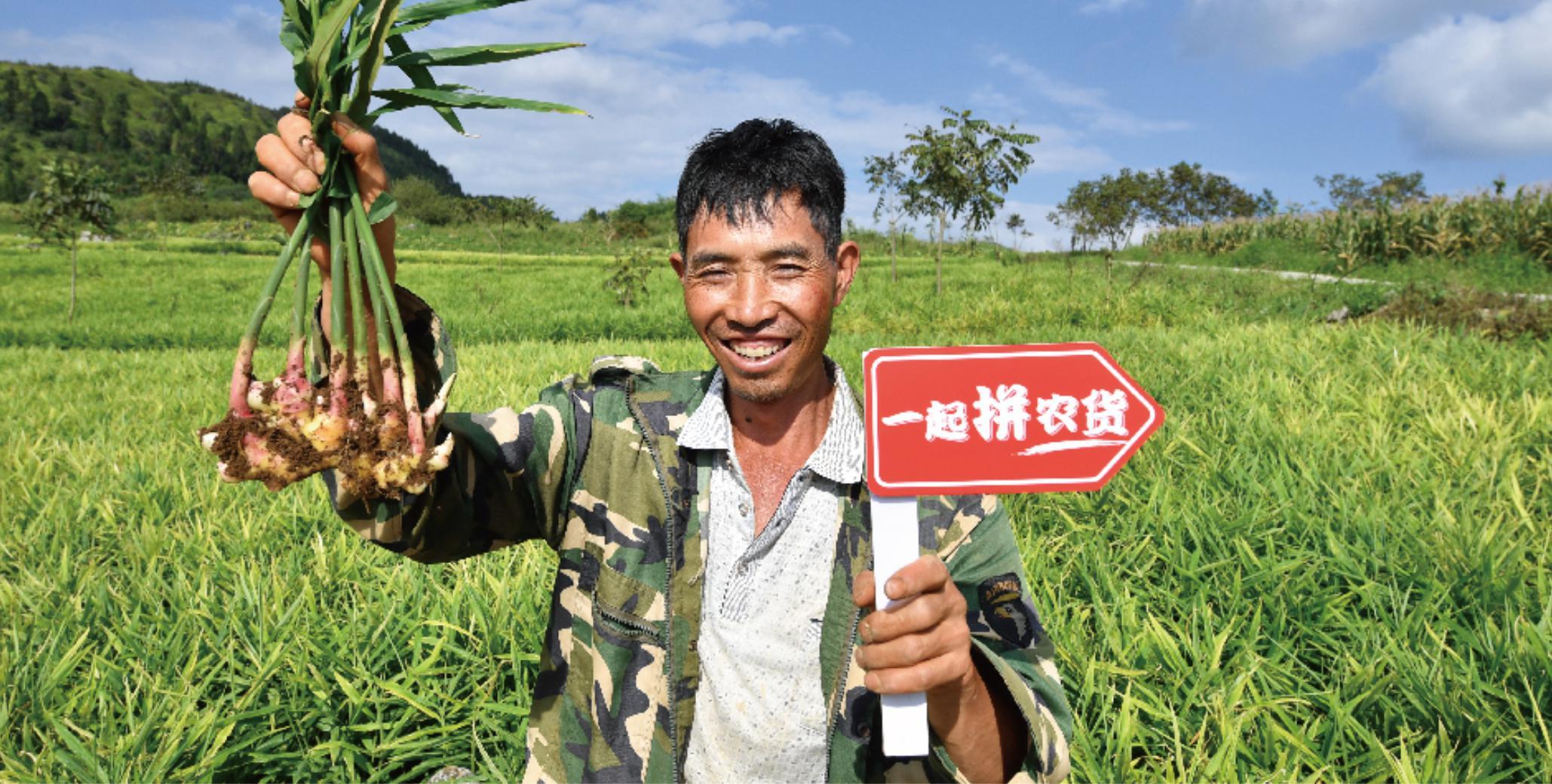
Poverty is the most difficult problem ofhuman development in history and the biggest challenge of globalization in the21st century. On Dec 14, the International Forum on HumanExperience in Poverty Reduction opened in Beijing with more than 200 participantsfrom over 60 countries and regions and 20 international organizations. Overseas participants said China has madesignificant contributions to the cause of global poverty reduction and that itsrich experience in poverty reduction can be useful for other countries. Poverty alleviation is a universal value ofthe international community. In the new round of economic globalization,multinational companies have benefited from the efficient allocation ofresources, global supply chains and value chains brought about byglobalization. However, at the same time, as globalgovernance lags behind global practice, multinational corporations have notgiven back enough to regional and national development, and globalization hasexacerbated inequalities among and within countries. Over the past three decades, global povertyalleviation has lagged far behind the pace of globalization, and risinginequality has been the main cause of the recent wave of counter-globalization. Therefore, China's achievement in povertyalleviation is of global significance and can contribute to the furtherdevelopment of globalization by contributing to global poverty alleviation. As the only major economy in the world toachieve positive growth last year, China has achieved the poverty reductiontarget of the UN 2030 Agenda for Sustainable Development 10 years ahead ofschedule. As the world's largest developing country,China has reduced poverty by more than 850 million people during the 40 yearsof reform and opening-up, accounting for more than 70 percent of global povertyreduction, creating a "Chinese miracle" in the history of povertyreduction. Former US treasury secretary and HarvardUniversity President Lawrence Summers lauded the achievement: "In lessthan two generations, China has evolved from an impoverished nation to a nationsetting the pace in crucial aspects of artificial intelligence, a change thatmakes the industrial revolution look small." China owes its success in reducing povertyto three factors: First, China has embraced globalizationsince its reform and opening-up, thus driving its economy, the foundation ofpoverty alleviation. Poverty has been reduced because of international trade."Trade is better than aid," as former UN secretary-general Kofi Annanvoiced. Over the past four decades, multinationalcompanies have invested in China, contributing about 45 percent of import andexport trade, more than 20 percent of industrial value added, 20 percent of taxrevenue, and 13 percent of urban employment. There are more than 200 million migrantworkers in China, and the income of migrant workers at MNCs, and theirremittances sent home have become an important source that promotes China'seconomic growth. Since China joined the WTO in 2001, China'sGDP has expanded more than tenfold. In 1992, the value of China's totalinternational trade was $166 billion and 56.7 percent of the population was inabsolute poverty. By 2018, the value of China's total international tradereached $4.6 trillion, while the poverty rate was already below 0.5 percent. In 1992, Vietnam's total trade came to $5.1billion. And the percentage of population living below poverty was still at 52percent. But today, Vietnam's total trade has gone up to $527 billion, a100-fold increase. At the same time, the population living below povertydeclined 26 times to below 1.9 percent. Similarly, in India, total trade reached$45 billion in 1992, and poverty rate was 47.6 percent. By 2018, its totaltrade had risen to $940 billion, and poverty had fallen to below 7 percent. WTO and World Bank studies show thatinternational trade has a clear, positive impact on poverty reduction, such aslowering the prices of consumer goods for the poor and increasing access tooverseas markets and better returns for the poor engaged in productiveactivities. Second, as a mega-country with asuper-large population, China has leveraged its system and policy advantages toalleviate poverty. The government has taken advantage of infrastructure,industrial development, education, health support, and ecological environmentalprotection to reduce poverty. China's basic medical insurance covers morethan 1.3 billion people, its basic pension insurance covers nearly 1 billionpeople, it guarantees compulsory education for school-age children andteenagers in accordance with the law, and the total number of students enrolledin higher education in China has reached 40.2 million, making it the world'slargest higher education system. In recent years, poverty-alleviationprojects nationwide, precise poverty alleviation, scientific povertyalleviation, digital economy poverty alleviation and other new models have comeinto being, and the forces of the whole society apply policies and makedecisions based on poverty, so that tens of millions of people can be liftedout of poverty in a relatively short period of time. Third, further liberalization of the housebase policy can promote China's economic and social reform and help fightpoverty. By liberalizing the restrictions on the transfer of rural residentialbases and promoting the reform in property rights of residential bases, migrantworkers living in cities, especially those who have already"urbanized" after 80 and 90 years, can enjoy the proceeds from thevalue-added of land transfer and lay the foundation for their integration intocities. After reform and opening-up, China has beenmaking major policy innovations every decade, releasing huge dividends. Therural household contract responsibility system in 1978 liberated ruralproductivity and transformed China from a shortage economy to an affluenteconomy. The urban housing system reform in 1994commercialized and monetized urban housing, booming Chinese real estate market.The accession to the World Trade Organization in 2001 made Chinese ruralworkers urbanized and China integrated with the world, promoting the nation tobe the second-largest economy on the globe. In the 2010s, the digital economy ande-commerce connected China with the world and drove it into the era of mobilepayment. In the 2020s, further property rights andreform in residential bases will give birth to a new group of the Chinesemiddle-income people, which stimulates the use of idle residential bases inrural areas, encourages the two-way flow between urban and rural areas, andcreates wealth for 600 million people, thus fostering new urbanization. Furthering the global poverty alleviationrequires international multilateral cooperation in education, trade andinvestment, public health and other areas. Meanwhile, as a new developmentengine, the "new infrastructure" of the digital economy bringsenormous development dividends to the world. China can cooperate with other countries inthe digital sector to advance digital technologies, set standards and providehigh-quality services. Poverty alleviation is a common concern to mankind.China's achievements in poverty alleviation have demonstrated the benefits ofglobalization. China's successful integration into theworld economy is the best practice in resisting anti-globalization as well asreducing the gap between the rich and the poor, and is China's innovation inthe theory and practice of international poverty alleviation. It is China's greatest soft power. Moredeveloping countries can learn from China and we all need to strengtheninternational cooperation, engage in globalization, and jointly contribute tosuccessful global poverty alleviation. China stands ready to work with allcountries in promoting the process of international poverty reduction andbuilding a community with a shared future for mankind, President Xi Jinpingsaid. In a message to the International Forum onSharing Poverty Reduction Experience, which opened on Monday in Beijing, Xicalled on participants to deepen exchanges of poverty reduction experience,build broad consensus and boost confidence so as to contribute wisdom andstrength to accelerating the international poverty alleviation process. Poverty elimination is a dream shared byall people, he said, noting that poverty reduction efforts still face severechallenges as the COVID-19 pandemic rages globally. The Communist Party of China and theChinese government have been striving through arduous, long-term efforts towardthe goal of making sure the Chinese people have a good life, Xi said. In aninitiative based on previous efforts, China launched in 2012 a comprehensivepoverty relief battle that was the world's biggest and most challenging. Through eight years of sustained work, thecountry has lifted its entire population of rural impoverished residents, underthe current income standard, out of poverty, Xi said. China has now removed allpoor counties from its poverty list, and nearly 100 million poor people inrural areas have been lifted out of poverty, he said, calling it a majorcontribution to global poverty reduction work. The president pledged that China willcontinue to advance its poverty alleviation achievements, make more substantialprogress in common prosperity for everyone, and improve people's livelihoods. A new study published by the United NationsDevelopment Programme in December found that an additional 207 million peopleworldwide could be pushed into extreme poverty by 2030, due to the severelong-term impact of the coronavirus pandemic, bringing the total number to over1 billion. In many ways, China is an inspiration tothe African continent as far as poverty reduction is concerned. Africa is hometo the largest number of developing economies, while China is now the largestdeveloping economy, aiming for moderately prosperous status. With more than 30 percent of Africans stillliving in extreme poverty-constituting over 70 percent of the world's poor-itis not hard to understand why China's enviable milestones in poverty reductioncontinue to resonate with governments and citizens in Africa. For instance, much work on eliminatingpoverty from the face of the Earth should be actualized in Africa to realizethe United Nations Sustainable Development Goals. If nothing is donedifferently, the World Bank estimates that up to 90 percent of global povertywill be on the continent by 2030. This is worrisome, because the year 2030 isalso the UN's deadline for eliminating poverty in all forms. China's poverty reduction in rural areas,anchored on agriculture modernization, offers good insights for Africa'ssocioeconomic transformation. Since the founding of the People's Republic ofChina, the nation's agriculture has undergone a series of improvements spanningland reforms, agricultural cooperatives and marketization. Hoisted by modernfarming methods, targeted institutions as well as progressive policies, theshift from subsistence to comprehensive agricultural production economicallyempowered China's rural majority and formed a key component of povertyreduction. To feed its rapidly growing population of1.2 billion people, Africa must move beyond traditional, one-dimensionalagriculture into a multifaceted enterprise driven by science and technology. Inthis way, the continent can realize higher inputs, low consumption, highquality and efficiency in its agricultural value chains. The African Union has set the task ofending hunger on the continent by 2025-a task made more challenging by theCOVID-19 global pandemic, which is pushing millions more African householdsinto extreme poverty. Given that the majority of Africa'spopulation live in rural areas, effective poverty reduction programs shouldtarget that group, and agriculture remains the strongest vehicle to delivereconomic sustainability and food security. Africa can also learn from China about theuse of information technologies in marketing agricultural produce. The Taobaovillage model has, for example, enabled millions of farmers to reach far-awayclients, thanks to the power and reach of the internet. This has not only ledto more inclusive growth, but also has benefited multiplier industries, such aslogistics, that are crucial to ensuring that products reach buyers. In the wake of climate change, Africa'sagriculture should also be anchored on sustainable ecological conservationpractices. Despite being the least greenhouse gas emitter, the continent hasborne the brunt of global warming with floods, droughts and erratic rainfall,further compounding its agricultural prospects. Finally, there is no doubt thatinfrastructure connectivity and market integration are strong factors inhoisting modern agricultural production. Africa is currently implementing theAfrican Continental Free Trade Area, an ambitious project that aims atintegrating African economies, currently valued at $3.4 trillion. China and theAfrican Union have both initiated policy dialogue to fuse the aspirations ofthe AfCFTA and the Belt and Road Initiative. A successful AfCFTA would meangreater potential for Africa's agriculture, and China is proving to be adependable partner to deliver on the promise. |