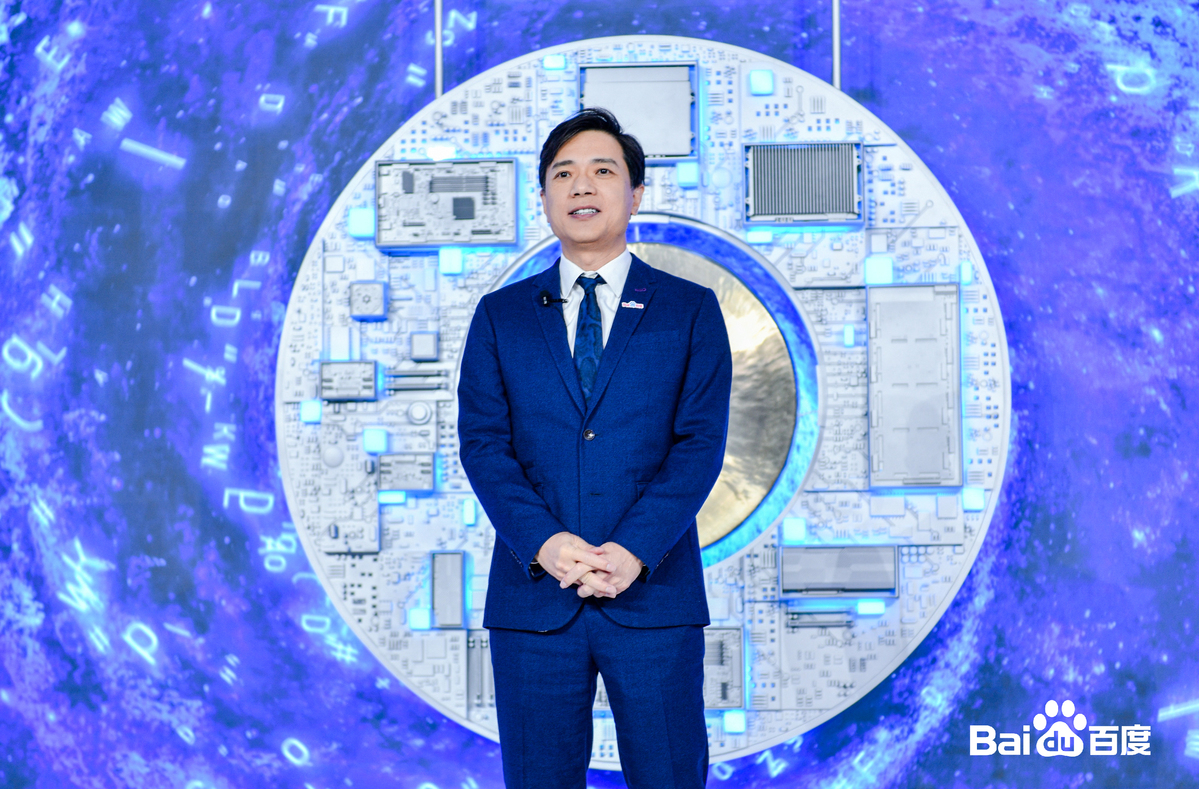
Baidu Inc. started trading on the Hong Kongstock market on March 23rd as the latest U.S.-listed mainland business tocomplete a secondary listing here. Shares of the Chinese internet giant BaiduInc rose on its first day of trading on the Hong Kong stock exchange, joiningthe latest in a flurry of Chinese enterprises seeking secondary listing onChinese bourses. Shares of Baidu opened at 254 Hong Kongdollars (about 33 U.S. dollars) , up slightly from its offer price of 252 HongKong dollars. The public offering was oversubscribed more than 112 times bylocal retail investors, and about 10 times by international buyers. The offerings give those previouslyNasdaq-listed Chinese companies listings closer to the home market amidmounting uncertainties in the US market. Baidu'sShares Close Flat on Hong Kong Debut The Beijing-based firm, which listed as anartificial intelligence entity rather than a tech giant, is expected to raise23.68 billion Hong Kong dollars, which will be used for investment in technologyand its mobile ecosystem, among others. The funds will be used on research anddevelopment, to further develop Baidu’s mobile ecosystem, commercialize itsartificial intelligence products and smart cloud solutions as well assupplement working capital, it said in its listing prospectus. According to an international analyst atGuotai Junan Securities, Baidu has good profitability compared with a number ofoverseas-listed Chinese stocks that turn to Hong Kong for a secondary listing. It logged a 21 percent gain in net profitlast year from 2019 to 22 billion yuan on revenue of 107.1 billion yuan (16.4billion U.S. dollars), similar to the year before, according to its latestfinancial report. Core generated revenues of the companystood at 78.3 billion yuan (about 12 billion U.S. dollars), 79.7 billion yuanand 78.7 billion yuan in 2018, 2019 and 2020, respectively. The fund-raising of Baidu, which first wentpublic in Nasdaq in 2005, signaled a continued trend of homecoming listings bymainland companies. More than 10 such firms have finished secondary listings inHong Kong, including Alibaba and JD.com. Analysts said Chinese enterprises areseeking a more local presence against the backdrop of mounting uncertainties inthe US market, and Baidu is the latest to join a wave of US-listed Chinesecompanies seeking secondary listing deals this year. Chinese internet titans Baidu, Alibaba andTencent are known by the acronym BAT. The company was once part of China'sinternet triumvirate alongside Alibaba and Tencent. With its internet searchservices-focused ecosystems being eroded by competitors, the firm has alteredits business strategies. However, in recent years, Baidu has seemedto lag behind its two other peer rivals in terms of market valuation and growthmomentum, said an executive director of the Zhongjing Digital Economy ResearchCenter. He added he believes this secondary listing will help Baidu back intothe spotlight and be the center of the capital market. Baidu's shares made a lukewarm performance inthe debut, compared with two other U.S.-listed Chinese tech giants thatreturned to Hong Kong for secondary listings last year, NetEase and JD.com,whose shares prices opened 8.13 percent and 5.75 percent higher respectively,on their first day of trading in the city. Baidu's deal that raised $3.1 billion wasoversubscribed by retail investors by 112 times, and institutional investors by10 times, according to the company's filings with the Hong Kong Stock Exchange. Looking ahead, an influx of secondarylistings by Chinese mainland-based tech groups will inject new impetus andprovide more liquidity into Hong Kong's capital market, said an independenteconomist. Baidubets on AI and autonomous driving In its prospectus, the tech firmhighlighted its leading position in artificial intelligence (AI) and said itowns the largest portfolio of AI patents and AI patent applications in themainland. Baidu App, which is at the core of the company's mobile ecosystem,had 544 million monthly active users last December. Baidu, best known for its omnipresentsearch engine, has been making strong inroads into AI in recent years,leveraging its powerful internet foundation to become a market leader in cloudservices, autonomous driving, smart transportation and other AI applications. "As a company that always believes intechnology, we are willing to invest in technology (research and development)for the long run," Chairman and Chief Executive Officer Robin Li, whoholds a 17 percent stake in the firm and 57 percent voting rights, said today. “Only by maintaining continuous investment in technologicalinnovation can we seize the huge market opportunities in smart transportation,autonomous driving and other AI-related fields,” he added. Last year, Baiduspent 19.5 billion yuan (2.99 billion U.S. dollars) on R&D, up 6.6 percentfrom the year before. Positioning itself as a leading AI companywith a strong internet foundation, the company will use the net proceeds forcontinued investment in technology, enhancing commercialization of itsinnovations centered around AI, growing the Baidu Mobile Ecosystem, enhancingand diversifying monetization and general corporate purposes. Baidu said it has been investing in AIsince 2010 to improve search and ad monetization and has used its core AItechnology engine Baidu Brain to develop new AI businesses. The document said Baidu held the largestportfolio of AI patents and AI patent applications in China as of Oct 30, 2020.And its Baidu Open AI Platform, with a developer community of over 2.65 millionmembers, is the largest open AI platform in China, based on the number ofdevelopers as of Dec 31, 2020. In January, Baidu announced plans toestablish an intelligent electric vehicles (EV) company, teaming up with automanufacturer Geely. With this collaboration, Baidu will provide intelligentdriving capabilities to power the passenger vehicles, while Geely willcontribute its expertise in automobile design and manufacturing. The venture with Geely will accelerate thatintegration, Robin Li said in an interview with Bloomberg, with a goal todeliver its own EVs to the market within three years. Five business sectors have supportedBaidu's valuation, including traditional online advertising, autonomous driving,Baidu Cloud, and video streaming platform iQIYI and other investments. The traditional advertising businessaccounts for about 40 percent of the firm's valuation, while the emergingautonomous driving and cloud business together account for about one-third. "We believe that the future growth ofBaidu's valuation will mainly depend on the development of autonomous drivingand Baidu Cloud," a portfolio manager at Sina Group-backed broker ValuableCapital said, adding that Baidu's accumulation of autonomous driving hasentered the world's first tier. Although being optimistic in the long-term,he cautioned that Baidu's emerging businesses, such as autonomous driving andBaidu Cloud, would tumble with the general changes of the market. Plus thefurther rising yield of the U.S. 10-year Treasury bonds continue to squeeze thevaluation of U.S.-listed tech companies, the valuation of the two sectors areunder the pressure of compression in the short- and medium-term, which couldaffect the company's valuation. Chinese blue chip tech firms are facinggrowing regulatory pressure at home. Baidu was among the 12 companies finedover deals that violated anti-monopoly rules earlier this month. Beijing ismaking good on its promise to clamp down on the sprawling platform economy. While demand for these companies has seenvaluations soar over the last few years, risk and responsible growth aremantras that could define their share prices in the future. |