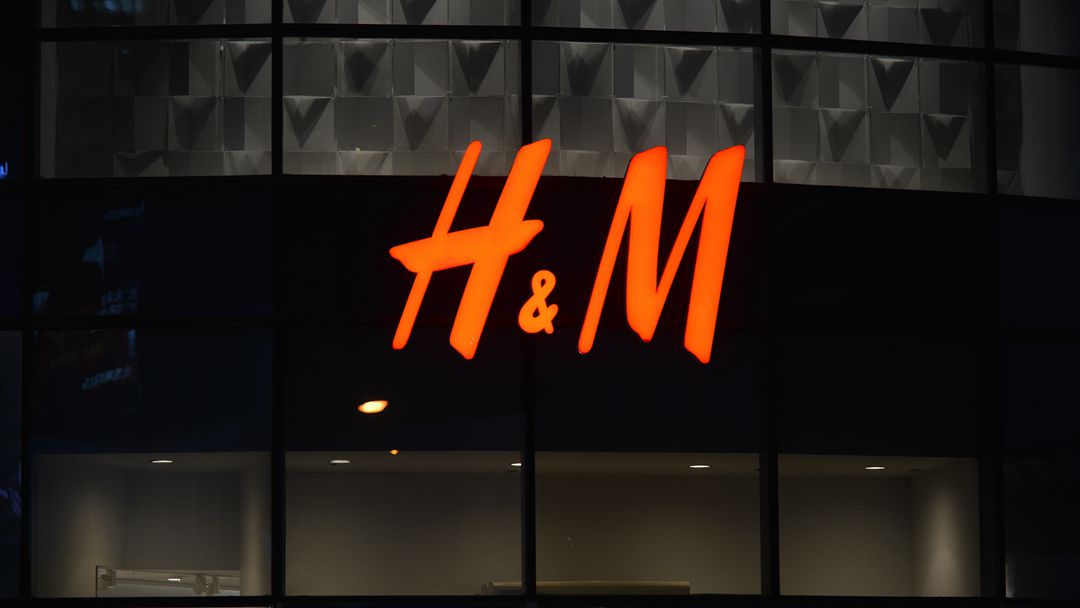
Chinese map apps Baidu, Gaode and Tencentjoined other major online platforms in blocking H&M on March 25th morningas anger over the fast-fashion company's ban on Xinjiang cotton rose to a feverpitch on Chinese social media. Chinese netizens on March 23rd accusedH&M of spreading rumors about "forced labor" in Xinjiang onpopular social media platform Weibo, calling for a boycott of the brand inChina. "Spreading rumors to boycott Xinjiangcotton while trying to make money in China? Wishful thinking!" China'sCommunist Youth League wrote in a Weibo post. The post has received over 420,000 likesand more than 16,000 comments so far and is still trending on Chinese socialmedia. Meanwhile, a People's Daily hashtag #ISupportXinJiangCotton hasgenerated 13.4 million discussions and 2.56 billion views as of press time. Chinese companies are also joining thecall. E-commerce platforms Alibaba's Taobao, JD.com, Pinduoduo, Suning.com andMeituan's Dianping on March 25 dropped the brand from their platforms, and ChineseAndroid app stores have removed H&M as well. H&Mfaces boycott in China The call for the H&M boycott comes daysafter the U.S., EU, Britain and Canada on March 22 imposed coordinatedsanctions on Chinese officials for alleged human rights abuses in Xinjiang.Unearthing a one-year-old statement from the Swedish fashion brand, Chinesenetizens have lambasted the brand for banning Xinjiang cotton. H&M said last year it was "deeplyconcerned by reports from civil society organizations and media that includeaccusations of forced labor" in Xinjiang and that it did not sourceproducts from the region. "As it has become increasinglydifficult to conduct credible due diligence in the region, BCI (Better CottonInitiative) has decided to suspend licensing of BCI cotton in XUAR (theXinjiang Uygur Autonomous Region)," the statement said. "This meansthat cotton for our products will no longer be sourced from there." In a new statement responding to consumeroutcry on March 24, the company said it was following international guidelinesfor sustainability and that its supply-chain principles "did not representany political position." H&M then published a statement onWeibo, saying that it has abided by the principle of being open and transparentwhen managing its global supply chains, and has made sure all suppliers complywith its guidelines. "The company does not represent anypolitical stance," it said. "The company has always respected Chinesecustomers and is committed to long-term investment and development in thecountry." The company now has cooperation deals withmore than 350 manufacturers in China, the statement said. Online netizens haveso far criticized the statement for being vague and incomprehensible. However, Chinese netizens criticized thestatement, saying H&M is using BCI as an excuse. Chinese netizens havevoiced their outrage at the company's stance. "H&M has reaped huge profits inChina, while insidiously slandering and making false charges against China.Such a company has crossed a bottom line," said one netizen on themicroblogging site Weibo. China Media Group said in a commentary thatH&M's baseless claim is "filled with prejudice and reflective of itsignorance." "We welcome all foreign enterprises toinvest in China but the bottom line cannot be touched and respect is aprerequisite for conducting business," it said. "China'sdetermination to safeguard the development, stability and unity in Xinjiang isunwavering." Fallingshares, other brands under attack Major e-commerce sites such as AlibabaGroup's Taobao and JD.com have pulled products related to retailer H&Mafter the company sparked widespread fury on March 24 for its statement . H&M shares fell as much as 1.9 percentas of 10:30 am in Stockholm. China is H&M's fourth-largest market throughthe 2020 fiscal year, with sales reaching 9.75 billion Swedish kronor ($1.13billion). Due to strong sales in China, the fashionretailer opened five new brick-and-motor stores across China last year. At theend of the 2020 fiscal year, H&M had 445 offline stores in 146 citiesacross the country. As the boycott heats up, otherinternational brands, such as Nike and Adidas, have also come under fire inChina due to the Xinjiang cotton ban. Nike said it "does not source productsfrom Xinjiang" and "has confirmed with its contract suppliers thatthey are not using textiles or spun yarn from the region" in a statementthat is still available on its official website. Several Chinese celebrities Wang Yibo andactress Tan Songyun both ended endorsement contracts with Nike on March 25,following the brand's remarks over forced labor in Xinjiang. Asthe Chinese public voiced outrage upon finding out that several big globalretail giants, including H&M and Nike, shares of Chinese domesticsportswear groups surged on March 26. On the Hong Kong Stock Exchange, Li Ningjumped nearly 3 percent, while Anta surged over 5 percent and Xtep increasednearly 3 percent. The Chinese public's support for Xinjiangcotton also led shares of cotton companies traded in Shanghai and Shenzhen torise 2.33 percent on March 26, according to Shanghai-based information providerWind Info. Noevidence of forced labor Founded in Switzerland in 2009, BCI setsthe global standard for cotton industries and certifies cotton farms worldwide.It has 2,100 members worldwide, including cotton farmers, textile businessesand retail brands. The organization announced that it wassuspending licensing Xinjiang cotton production last October in a statementthat has since been removed from its website. On March 1, 2021, BCI posted a newstatement on its official WeChat account saying, "There has never been acase of forced labor in Xinjiang." The BCI China team again confirmed thepost in an interview with Chinese news website jiemian.com on March 25. "The China team has always known that,but due to pressures from different sides, we made the decision of halting thelicensing project in Xinjiang," an employee told jiemian.com. "The brands' decisions are not relatedto the BCI. We are an agricultural project aimed at training the farmers togrow cotton sustainably," the employee said. The U.S. imposed sanctions on Xinjiangcotton last year, citing forced labor concerns. Beijing has repeatedly deniedall allegations of forced labor in Xinjiang, maintaining that there werepoverty alleviation efforts to help rural residents through vocational trainingcenters. Chinese sportswear maker Anta Sports onMarch 24 said it would quit the BCI and continue to use cotton produced fromXinjiang. Stating that it became a member of the BCIto promote environmental protection and the sustainable development of the procurementsupply chain, Anta said it would not give up on Xinjiang cotton producers. "We have been purchasing and usingcotton produced in China, including Xinjiang cotton, and will continue topurchase and use Chinese cotton in the future," the company said in aWeibo post. Cotton producers from the region have beenhurting since the U.S. imposed sanctions on Xinjiang cotton last year. Chinaproduced about 22.6 percent of the world's cotton in 2019, according to datafrom the United States Department of Agriculture, about 87 percent of whichcame from Xinjiang. One of H&M's former suppliers, HuafuFashion, said in January that it lost at least $54.3 million last year due toU.S. sanctions, a total about-face from the $62.5 million net profit it made in2019. "Multiple American brands havecancelled orders," according to a Shenzhen stock exchange filing by Huafuthat cited U.S. sanctions. "It brought negative effects to thecompany." |